
All eyes are on apparel, sporting goods, watch and jewelry brands to usher in a new era for fashion. The challenge now is translating awareness and commitments into action and measurable results to strengthen long term business performance.
We understand key industry challenges

Business model innovation
Consumers and regulators are increasing scrutiny of how products are designed, sourced and brought to market. Embedding circularity into product design to extend product life, improving traceability of raw materials, and exploring resale or secondhand models can strengthen competitiveness, prepare companies for evolving regulation and reinforce long term brand equity.

Consumer engagement
As scrutiny of sustainability claims increases, brands are expected to substantiate environmental performance with credible data and transparent communication to build consumer trust and support informed decision making.

Product and portfolio innovation
To reduce environmental impacts, brands need to take action through their products. Integrating sustainability into the earliest stages of product conception, and considering the entire life cycle of a garment, has the potential to drive significant improvements across the value chain and eliminate impacts at the source.

Supply chain management + engagement
Ensuring flexibility and demand-reactive supply chains is needed to build resilience, better prepare for future shocks and translate commitments into meaningful actions that yield real, long-term change. Additionally, enhancing supply chain transparency and traceability will enable companies to identify and more effectively mitigate risks related to social sustainability, including worker health and safety, fair pay and human rights.

Integration
The more you know, the further you can go. Knowledge sharing and pre-competitive collaboration are key for generating the high-quality data and standardized approaches needed to improve performance across the industry.

Biodiversity loss
Biodiversity loss is a physical and transitional risk for fashion, which relies heavily on natural resources and ecosystems services for raw materials. For the watch and jewelry industry, mining is major driver of biodiversity loss through deforestation, soil erosion and contamination, and water overconsumption and pollution. Measuring and prioritizing their impact on biodiversity and water across their sourcing of key materials is vital to tackle climate change and safeguard the industry’s future.

Climate change
Raw materials sourcing and manufacturing are major climate hotspots for the fine jewelry and watch industry because of the energy-intensive nature of conventional extraction and processing methods used for gold, diamonds and gemstones. Improving efficiency will be essential to reduce energy consumption and emissions.

Digital transformation
Access to best-in-class sustainability data to drive informed decision-making is critical for the fashion industry.
Correctly shaping the digitalization of both product and corporate footprinting activities will unbox new opportunities for each brand to better leverage on a vast range of data for comprehensive environmental impact assessments. Having a trusted partner with the expertise to navigate the rapidly changing product and corporate footprinting software market is invaluable.
Quantis leverages our experience leading collaborative data platforms, like the World Apparel & Footwear Life Cycle Assessment Database (WALDB), to ensure clients are armed with the right insights to drive science-based decision-making, effectively track progress, quantify benefits from actions taken to reduce environmental impacts, engage stakeholders and set credible targets aligned with business objectives.

How Quantis can help
For nearly two decades, leading fashion and sporting goods companies have partnered with Quantis to connect sustainability ambition to real business outcomes.
We work together to set priorities, deploy effective and meaningful strategies, and measure and monitor progress.
Ready to align sustainability with business performance?
Quantis fashion and sporting goods experts can help you to:
-
Develop integrated science-driven strategies and roadmaps that go beyond climate
Companies that work solely on carbon are missing out on major opportunities to make real progress on their sustainability strategies across biodiversity, water, land-use change, plastics and ecotoxicity. We work with you to assess these interconnected issues, define clear priorities, and build structured roadmaps that align environmental considerations with product strategy, sourcing decisions, and growth plans.
-
Accelerate and scale sustainable innovation
We partner with you to embed sustainability into your company’s product portfolio by creating ecodesign guidelines, using impact assessments to inform product development and scaling low-impact materials and processes such as regenerative agriculture, adhering to highest regulatory standards.
-
Activate and transform supply chains
Our experts ensure that efforts and resources are focused on addressing the most relevant impacts and making meaningful strides towards the larger strategy by building supplier engagement programs that support your value chain in implementing best practices.
-
Enable new and innovative business models
Our team works with you to harness your brand’s creativity to design better business models (such as rental, resale, and repair schemes; pre-order models of production; print on demand; or greater emphasis on product quality and durability) that enable you to reduce environmental impacts, unlock new opportunities and unleash the best version of your business.
-
Brand story communication
Credible communications are essential to driving sustainable change. Our experts partner with you to shape credible, authentic and relevant brand communications that resonate with your consumers and stakeholders and avoid greenwashing.
Watches + Jewelry: a specific area
The watches and jewelry sector presents distinct environmental challenges, from mining to manufacturing. For over a decade, Quantis has partnered with major industry players to translate environmental objectives into structured strategies which results in tangible implementation tailored to the sector’s unique needs.
We address critical environmental hotspots such as mining and support clients in managing sustainability from both a climate and broader nature perspective.
Quantis helps navigate these key industry challenges — ensuring that environmental progress aligns with the evolving needs of the industry for years to come.
Ready to align sustainability with business performance?
Quantis experts

Michelle Dawson
Senior Sustainability Consultant
Sabine Loetscher
Quantis Switzerland Lead
Luca Mosca
Branch Fashion & Sporting Goods Lead, Sustainability Principal
Raphaëlle Bordenave
Sustainability Consultant
Philipp Meister
Global Fashion, Sporting Goods & Chemical Lead
Latest case studies
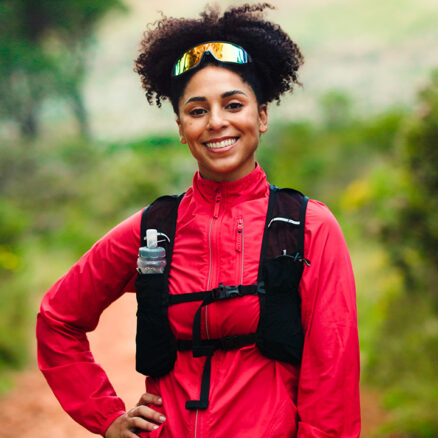
Salomon
Salomon partnered with Quantis to translate life cycle insights into actionable, product-level ecodesign decisions — balancing environmental impact reduction with…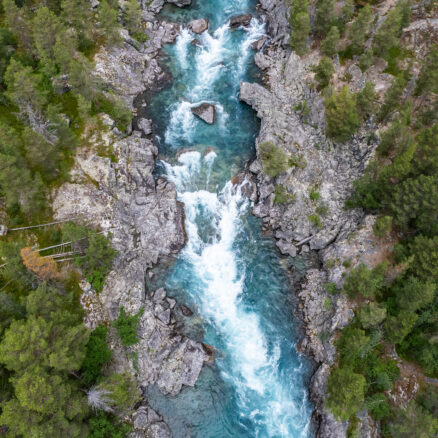
ZDHC
ZDHC partnered with Quantis to assess and quantify the potential reduction in nature impact when companies adopt MRSL.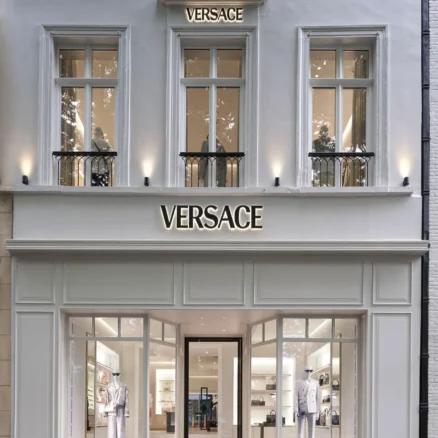
Versace
Quantis guided Versace’s suppliers in measuring emissions and setting SBTs, advancing decarbonization across the fashion value chain.
Latest insights

Decarbonization, innovation + data: priorities for fashion in 2025
Sustainable fashion and sporting goods must now tackle scope 3 emissions by partnering with suppliers, innovating materials, and boosting supply chain transparency.
Resilient by design: How fashion can get material innovation right
Steps to scale next-gen materials, accelerate adoption of lower-impact alternatives — and build the systems that support them

Rethinking the nature of fashion: How brands are adapting their sustainability strategies in France and beyond
Philipp Meister and Raphaëlle Bordenave explore how fashion’s dependency on nature creates both vulnerability and a chance to lead change.